
 4 min read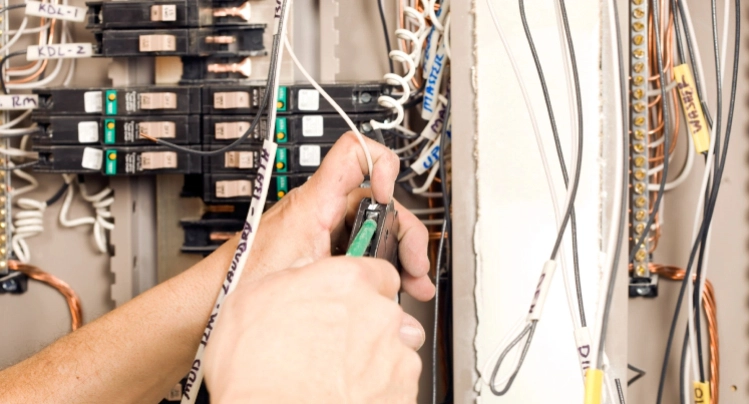
5 Dangerous Electrical Mistakes Homeowners Make in Pike Road
Learn How to Protect Your Home and Family from Hazards
Plugging Too Many Devices Into One Outlet
One of the most common hazards in Alabama homes occurs when homeowners plug multiple high-wattage appliances into a single outlet or power strip. During Pike Road’s hot summer months, air conditioning units, fans, dehumidifiers, and refrigerators often run simultaneously, placing extraordinary demand on circuits that may not have been designed for such loads.
When circuits become overloaded, wiring heats up beyond safe levels. This heat buildup degrades insulation over time and creates conditions where electrical fires can ignite within walls, often without immediate warning signs. Many older homes in the area were built with electrical systems designed for far fewer appliances than modern households use daily.
The danger intensifies when homeowners daisy-chain power strips together or use extension cords as permanent wiring solutions. These practices bypass the safety mechanisms built into your home’s electrical system, including circuit breakers designed to shut off power before dangerous conditions develop.
Warning signs include outlets that feel warm to the touch, flickering lights when appliances turn on, or circuit breakers that trip repeatedly. These symptoms indicate your electrical system is struggling to handle the load safely. If you notice burning smells near outlets or discolored wall plates, immediate professional troubleshooting is essential to prevent fire hazards.
Missing Ground Fault Protection Where Water Is Present
Ground Fault Circuit Interrupter (GFCI) outlets save lives by shutting off electrical current within milliseconds when they detect moisture or current imbalances. Despite their critical importance, many Pike Road homes still lack proper GFCI protection in bathrooms, kitchens, laundry rooms, garages, and outdoor areas.
Alabama’s humidity creates particularly hazardous conditions where electricity and moisture meet. A standard outlet near a bathroom sink or kitchen counter can deliver a fatal shock if water creates a pathway for current to flow through a person’s body. GFCI outlets prevent this by continuously monitoring current flow and interrupting power before serious injury occurs.
Homeowners often make the mistake of replacing failed GFCI outlets with standard receptacles, either to save money or because they find the test and reset buttons inconvenient. This decision removes a vital safety feature that building codes require precisely because the risk of electrocution in wet locations is so significant.
Outdoor outlets present similar dangers, especially around pools, hot tubs, and landscape features. Rain, sprinkler systems, and morning dew create conditions where electrical shock becomes likely without proper protection. If your home was built before 1990, chances are high that GFCI protection is incomplete or absent in areas where current codes would require it.
Testing GFCI outlets monthly takes only seconds. Press the test button and verify that power cuts off, then press reset to restore function. If the outlet fails this test or if you discover unprotected receptacles in wet areas, qualified electricians can upgrade your system to current safety standards.
Attempting Repairs or Installations Without Training
Online tutorials and home improvement shows make electrical work appear straightforward, leading many homeowners to attempt projects that require licensed expertise. While changing a light bulb is perfectly safe, tasks like replacing outlets, installing ceiling fans, or adding circuits involve hazards that can result in electrocution, fires, or code violations that affect home insurance and resale value.
Electricity behaves according to precise physical laws, but residential wiring systems contain complexities that are not obvious to untrained individuals. Wire gauge requirements, proper grounding techniques, load calculations, and connection methods all follow specific standards developed to prevent failures that cause injuries and property damage.
Common DIY mistakes include reversing hot and neutral wires, failing to properly ground circuits, using incorrect wire sizes for the amperage, installing the wrong type of circuit breaker, and creating connections that loosen over time and generate dangerous heat. These errors may not cause immediate problems, which gives homeowners false confidence that their work was successful.
The delayed consequences can be severe. Loose connections create resistance that generates heat, slowly degrading surrounding materials until ignition occurs, sometimes months or years after the faulty installation. Improperly grounded circuits may function normally until a fault occurs, at which point the missing ground pathway allows dangerous voltages to appear on metal fixtures or appliance housings.
Alabama requires permits for most electrical work, and inspections verify that installations meet safety codes. When homeowners skip this process, future buyers may discover unpermitted work during home inspections, creating complications that delay or derail sales. Insurance companies may also deny claims for fires that originate from unpermitted electrical modifications.
For any project beyond replacing a light fixture or outlet cover, consulting licensed electricians protects your safety, your home’s value, and your family. Professional installations come with warranties, code compliance, and the assurance that work was completed according to standards developed through decades of safety research.
Using Extension Cords as Permanent Wiring
Extension cords serve a valuable purpose for temporary power needs, but they were never designed for permanent installations. When homeowners run cords under carpets, behind baseboards, through doorways, or across walkways for months or years, they create serious fire and tripping hazards that violate electrical codes.
The thin insulation on extension cords cannot withstand the continuous stress of foot traffic, furniture weight, or environmental exposure. As insulation wears away, bare conductors eventually contact each other or grounded surfaces, creating short circuits that generate sparks and heat. Rugs and carpets hide this deterioration while also trapping heat that accelerates insulation breakdown.
Many Pike Road homes lack sufficient outlets in locations where modern families need power. Rather than install additional circuits through proper wiring upgrades, homeowners often resort to running extension cords from distant outlets. This practice is particularly common in older homes where outlet placement does not match current furniture arrangements or electronic device needs.
Extension cords also lack the amperage capacity of permanent wiring. While a 15-amp circuit can safely deliver power through properly sized cable, a lightweight extension cord will overheat when carrying the same load for extended periods. This heating occurs inside the cord where it remains invisible until smoke or flames appear.
The solution involves installing new outlets in locations where power is needed regularly. This work requires running cable through walls, connecting to existing circuits or adding new ones, and ensuring all connections meet code requirements. While more expensive than buying an extension cord, proper installations eliminate ongoing fire risks and increase home value.
Failing to Inspect and Update Breaker Boxes
Your electrical panel serves as the command center for your home’s entire electrical system, distributing power to individual circuits while protecting against overloads and short circuits. Despite this critical role, most homeowners never think about their panel until something goes wrong, by which time serious damage or danger may already exist.
Breaker panels require periodic inspection to identify corrosion, loose connections, signs of overheating, and outdated components that no longer provide adequate protection. Moisture intrusion from roof leaks or condensation can corrode bus bars and connections, creating resistance that generates dangerous heat. Rust inside a panel indicates water problems that compromise safety.
Many Pike Road homes still contain electrical panels installed decades ago, when household power demands were a fraction of current levels. These older panels may lack the capacity to safely handle modern loads, forcing breakers to trip frequently or, worse, fail to trip when they should. Federal Pacific and Zinsco panels, common in homes built between 1950 and 1980, are now recognized as fire hazards that should be replaced.
Homeowners sometimes disable safety features without realizing the consequences. Taping a breaker in the on position or installing a higher-amperage breaker than the wire can handle bypasses protections that prevent fires. These modifications allow dangerous current levels to flow through wiring that will overheat and ignite surrounding materials.
Warning signs that your panel needs attention include frequently tripping breakers, a burning smell near the panel, breakers that feel hot, buzzing or crackling sounds, scorch marks on the panel cover, or breakers that will not reset. If your home is more than 25 years old and the panel has never been inspected, scheduling an evaluation helps identify problems before they cause emergencies.
Professional panel evaluations examine all connections, test breakers for proper operation, verify proper wire sizing, check for code violations, and assess whether your system can safely support current and anticipated power needs. When upgrades are necessary, modern panels provide greater capacity, better protection, and the ability to add circuits for new appliances or room additions.
Shamrock Electric provides thorough electrical inspections for Alabama homeowners concerned about hidden hazards in their homes. Licensed electricians identify problems that create fire risks, recommend solutions based on current codes and your family’s needs, and complete installations that restore safety and reliability. Whether you need urgent repairs, system upgrades, or safety evaluations, their team brings the training and experience necessary to protect what matters most. Trust qualified professionals who understand regional conditions, local requirements, and proven methods for keeping homes safe from electrical dangers.
